
• Stamholmen 175, 1., 2650 Hvidovre, DK
  • +45 26 80 46 42
  • hello@eywa.dk

Insights

Human Oversight in AI Workflows: Designing Accountable Human–AI Collaboration

Category: Ideas & Perspectives Abstract / Executive Summary As artificial intelligence (AI) moves from isolated analytical tools into operational workflows, the central governance question is no longer simply whether an AI system is accurate. It is whether people can understand, supervise, challenge and, when necessary, override AI outputs at the points where those outputs can […]


Read More

The Future of Biodiversity Funding: Trends, Finance & Nature

Category: What’s Happening Abstract / Executive Summary Biodiversity underpins food systems, freshwater security, climate resilience, public health, and economic productivity. Yet the world continues to lose species and ecosystems at an unprecedented rate while investment in conservation and restoration remains substantially below what is required. The adoption of the Kunming–Montreal Global Biodiversity Framework (KMGBF) in […]

Read More

Why Accessibility—Not Digitisation—Is the Real Measure of Digital Transformation

Category: Ideas & Perspectives Abstract / Executive Summary For more than two decades, digital transformation has often been equated with digitisation: converting paper records into digital formats, moving services online, and automating administrative processes. While these initiatives improve operational efficiency, growing evidence from governments, international institutions, and digital governance research suggests that digitisation alone does […]

Person using smartphone to photograph blank open book. Concept of mobile photography and creativity.
Read More

Open Data for Public Institutions: Why It Matters More Than Ever

Category: What’s happening Abstract / Executive Summary As governments accelerate digital transformation, the question is no longer whether public institutions should collect data, but how they should share it responsibly. Open Data has emerged as a foundational component of modern digital governance, enabling transparency, evidence-based policymaking, innovation, and improved public service delivery. Rather than simply […]

Wide view of a modern building highlighting architectural design and stairs
Read More

Carbon Credits vs Biodiversity Credits: Understanding Two Distinct Markets for Climate and Nature Finance

Category: Eywa Explains Abstract / Executive Summary As governments and businesses intensify efforts to address climate change and biodiversity loss, environmental credit markets have expanded beyond carbon into the emerging field of biodiversity credits. Although both mechanisms mobilise private finance for environmental outcomes, they differ fundamentally in what they measure, the ecological problems they address, […]

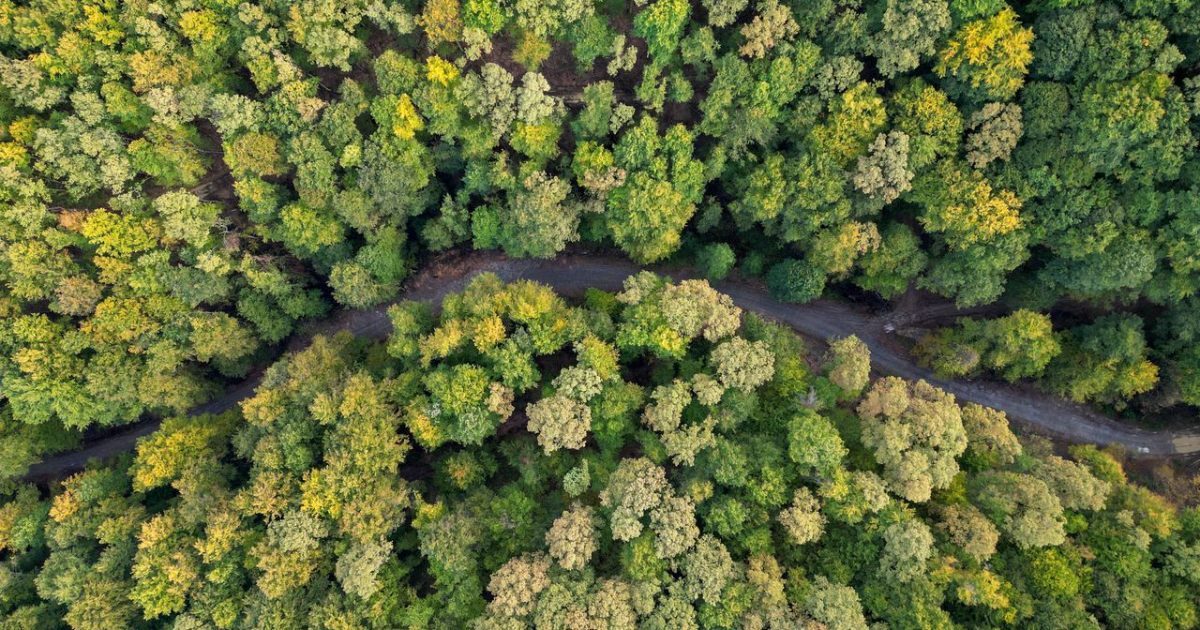
Aerial view of a dense green forest divided by a winding unpaved road, highlighting the contrast between continuous tree canopy and human-made infrastructure
Read More

AI in Environmental Monitoring: What’s Happening and Why It Matters

Category: What’s happening Abstract / Executive Summary Artificial intelligence (AI) is reshaping environmental monitoring from a reactive reporting exercise into a near real-time decision-support capability. Advances in satellite remote sensing, computer vision, acoustic monitoring, and machine learning now allow governments and conservation organisations to detect deforestation, identify methane emissions, monitor biodiversity, and forecast environmental risks […]

A hand holds a magnifying glass over a pink clover flower, bringing its petals and leaves into sharp focus against a softly blurred natural background with warm sunlight
Read More

Measurement, Reporting and Verification (MRV): The Digital Backbone of Credible Climate Action

Abstract / Executive Summary As governments, businesses, and international climate funds increasingly rely on carbon markets and results-based climate finance, Measurement, Reporting and Verification (MRV) has become one of the most important institutional systems underpinning climate governance. While carbon credits often receive public attention, the credibility of those credits depends fundamentally on whether emissions reductions […]

Two wooden bowls filled with fresh rosemary and thyme on a rustic wooden table, with pruning shears in the foreground, symbolising natural ecosystems, biodiversity, and sustainable environmental stewardship.
Read More